
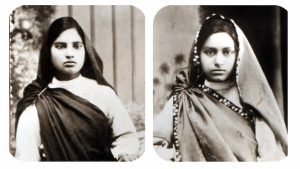
 Dr. Ummekulsoom and Dr. Amturraqeeb, popularly known as the “Yaqoob sisters,” hold a unique and significant place in the history of medicine in the Indian subcontinent. As two of the first female Muslim doctors in the region, they shattered social barriers and became symbols of empowerment and intellectual achievement for Muslim women. Their journey from a small town in pre-partition India to becoming influential professionals and dedicated activists is a testament to their perseverance.
Born in Ambala, Haryana, their family story is as remarkable as their professional one. Their father, Ganeshi Lal, a Hindu merchant, converted to Islam at a young age and took the name Mohammed Yaqoob. He was a devout and progressive man who prioritised his daughters’ education in a time when it was rare for girls to receive formal schooling, especially in the medical field. The sisters’ lives unfolded in parallel, driven by a shared passion for medicine, yet their post-graduate careers and personal lives carved out distinct and equally impactful paths.
Dr. Ummekulsoom (1898-1974)
Born on June 27, 1898, Dr. Ummekulsoom was not only a pioneering physician but also a prominent political and social activist. After completing her early education at St. John’s Girls High School in Agra, she enrolled at the Agra Women’s Medical College (now Sarojini Naidu Medical College), from which she received her Licentiate in Medical Practice (LMP) degree in 1920.
Ummekulsoom’s career was marked by a seamless integration of medicine and public service. Before the 1947 partition, she established a successful private practice in Pilibhit, Uttar Pradesh, alongside her husband, Dr. Abdul Ghafoor Bismil. She was highly respected in both professional and social circles. Her dedication to her community extended beyond her medical practice, leading her to join the Pakistan Movement. She became the president of the women’s wing of the All-India Muslim League in Pilibhit, actively participating in meetings and advocating for the creation of an independent state for Muslims. Her political activism was so significant that she co-authored the book, “Ruedad-e-Qafas” (The Tale of the Cage), which detailed the struggles and political climate of the time.
Following the partition of India and Pakistan, Dr. Ummekulsoom and her husband migrated to the newly formed country. They settled in Larkana, where they continued their medical practice and became the personal family physicians to Sir Shahnawaz Bhutto, a prominent figure in the region and father of Pakistan’s future prime minister. Her contributions were recognised with an honorary FSMF (Fellow of the State Medical Faculty) degree. Dr. Ummekulsoom passed away in 1974, leaving behind a legacy as a medical trailblazer and a dedicated political leader.
After her graduation, Dr. Amturraqeeb established a highly successful private practice. She served the communities of Bareli and Aligarh in Uttar Pradesh with distinction, earning a reputation as a skilled and compassionate physician. Her practice flourished, and she was known for her dedication to her patients, particularly women and children.
Dr. Amturraqeeb married Dr. Ishaq Siddiqi Nashit and had four children. Following the partition, she, her husband, and her family chose to migrate to Pakistan. They settled in the port city of Karachi, where she continued her medical career with great success. She was appointed as the Resident Medical Officer at the renowned Kharadar Maternity Hospital, a pivotal institution in the city. Her expertise in maternity care and her commitment to public health made her a respected figure in the medical community. One of her sons, Professor Dr. Hasan Ashfaq Siddiqi, followed in her footsteps and became a distinguished physician, later authoring a well-regarded medical textbook, further extending the family’s legacy in medicine. Dr. Amturraqeeb’s life came to an end in Quetta in 1971. She is remembered as a quiet but powerful force in medicine and as a key figure in the history of female healthcare in Pakistan.