
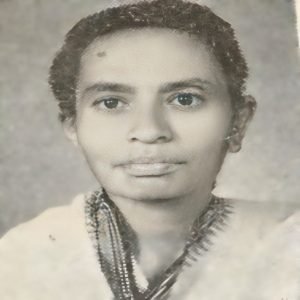
 Zohraben Akbarbhai Chavda (1923-1997) was a pioneering Indian parliamentarian, social reformer, and a devoted follower of Mahatma Gandhi’s principles. Her life was a testament to service, simplicity, and the empowerment of underprivileged communities, marking her as one of India’s earliest and most significant Muslim women in public life.
Born in Gujarat, Zohraben’s path was set when she pursued nursing training at Wardha. This led her to work directly with Mahatma Gandhi, serving as a nurse at his Sabarmati Ashram and at Gujarat Vidyapith. The seven years she spent in close proximity to Gandhi profoundly shaped her philosophy, instilling a deep commitment to social justice and grassroots service. This ideological foundation became the cornerstone of her life’s work. Alongside her husband, Akbarbhai Dalumiyan Chavda, a fellow Gandhian, she embarked on a mission to uplift the rural poor. On Gandhi’s advice, the couple moved to the remote village of Sanali, where they established an ashram and an ashramshala (a residential school) for underprivileged children, focusing on education and community development.
Her dedication to social work naturally evolved into local leadership roles. Zohraben served as the President of the Banaskantha District Congress Committee and as Chairman of the district’s Social Welfare Project, gaining valuable administrative experience that prepared her for a national platform.
In 1962, Zohraben Chavda made a historic entry into national politics. Contesting on the Indian National Congress ticket, she won the Lok Sabha election from the Banaskantha constituency with a decisive majority. Her victory was notable not only for her gender and faith but also because she succeeded her husband, who had represented the same seat in the previous two Lok Sabhas. In the 3rd Lok Sabha, she and Maimoona Sultan were the only two Muslim women, highlighting the severe underrepresentation of her community in the halls of power. She remains one of only 18 Muslim women ever elected to the Lok Sabha since India’s independence.
Her marriage to Akbarbhai Chavda was a true partnership in service, and her professional identity remained rooted in healthcare, where she was known as a midwife and health visitor. The couple lived simply among the people they served in North Gujarat. Zohraben passed away in 1997, leaving a powerful legacy. Her journey from a nurse in Gandhi’s ashram to a Member of Parliament exemplifies a life dedicated to social reform and political representation against considerable odds. Her 1962 victory in Banaskantha stood as a unique achievement for 62 years, until another woman from her party won the seat in 2024, underscoring the enduring significance of her pioneering role in Indian democracy.