
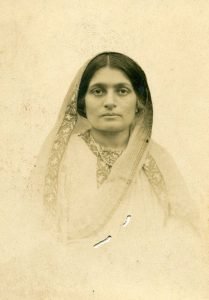
 Lady Amina Hydari (1878-1939) was a pioneering social reformer and advocate for women’s education in Hyderabad during the early 20th century. Born into an influential family, Amina Najmuddin Tyabji, her uncle, Badruddin Tyabji, was the third President of the Indian National Congress. She married Sir Akbar Hydari, who would later become the Prime Minister of Hyderabad.
Amina Hydari dedicated her life to social service, leaving a lasting impact on the region. Her humanitarian efforts first gained widespread recognition during the Great Musi Flood of 1908, where she was actively involved in organising relief work. This early dedication to public welfare set the stage for her future contributions.
One of her most significant achievements was the establishment of the Lady Hydari Club in 1929. This was the first club of its kind in Asia exclusively for women, providing a unique space for them to socialise, engage in sports like tennis, and participate in educational programs. Designed with cultural sensitivities in mind, the club featured a special entrance for women who observed purdah. Initially, a gathering place for elite Hyderabadi and British women, it evolved into a hub for women from diverse backgrounds. The club housed a library and even ran a school for underprivileged children, later hosting prominent international figures like Eleanor Roosevelt.
Hydari’s most enduring legacy is perhaps her instrumental role in founding the Mahboobia Girls School in 1907, the first-ever girls’ school in Hyderabad. She collaborated with other notable women, including Sarojini Naidu, to persuade the Nizam of Hyderabad to support the institution. The school aimed to provide quality education and empower girls in a society with significant social constraints against female education. Beyond founding institutions, she personally tutored Princess Nilüfer and Princess Dürrüşehvar, the Nizam’s daughters-in-law, in subjects like Greek, Latin, and History. Evidence also suggests she may have played a role in the establishment of Osmania University.
In recognition of her profound contributions to social work, particularly her flood relief efforts, Amina Hydari was awarded the Kaisar-i-Hind Medal in 1908. She was the first woman to receive this prestigious honour from the British Raj, a testament to her pioneering spirit and unwavering commitment to social progress. Her work challenged the prevailing norms of early 20th-century India, creating groundbreaking opportunities for women’s growth, interaction, and development, and leaving an indelible mark on generations of women in Hyderabad.